Terra AltaEnvironment
culture, nature and greenway
TERRA ALTA A unique natural environment
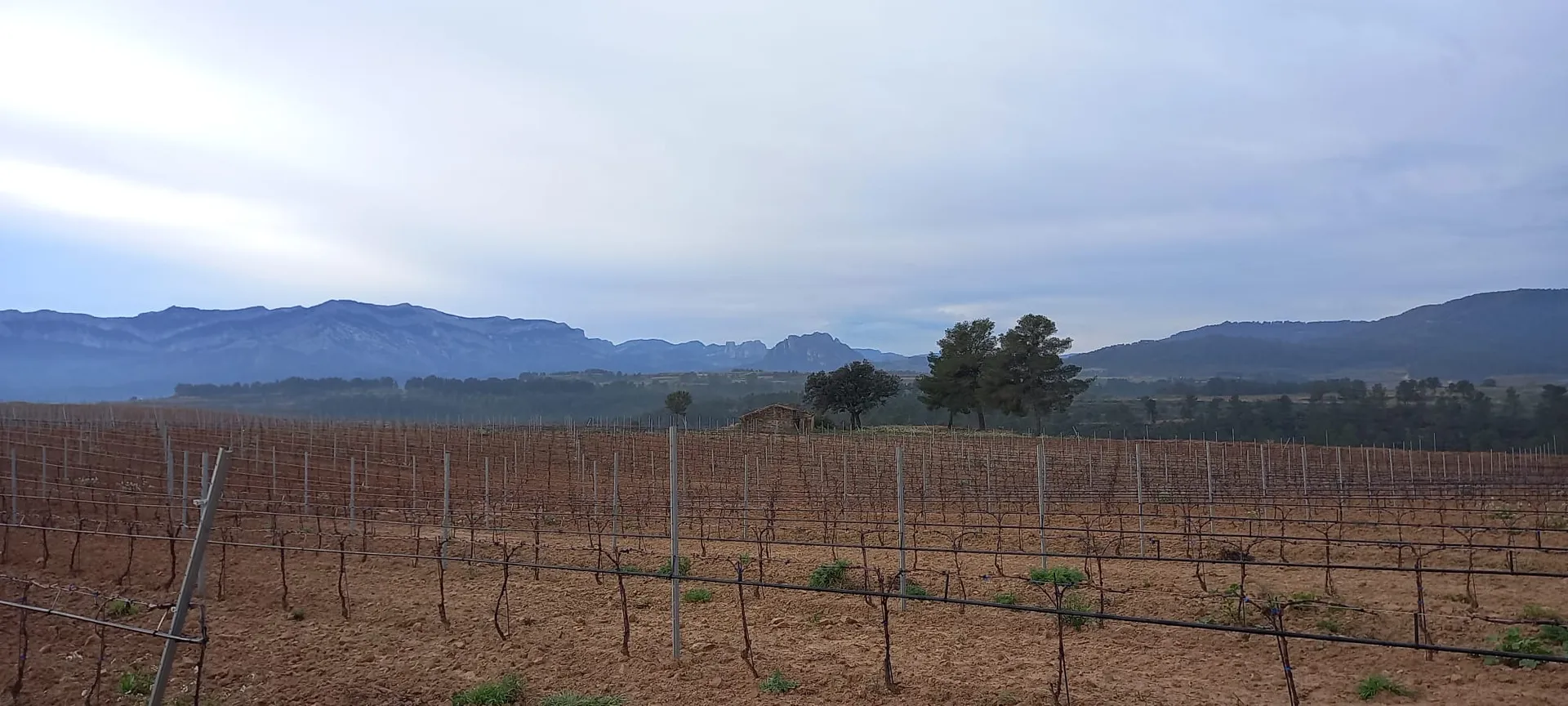
Camping Terra Alta is surrounded by spectacular landscapes, between mountains, vineyards and natural routes that invite exploration and disconnection. A few steps from the Greenway and emblematic places, here you can enjoy the tranquility, the pure air and the authenticity of a privileged environment.
Charming villages
Charming villages
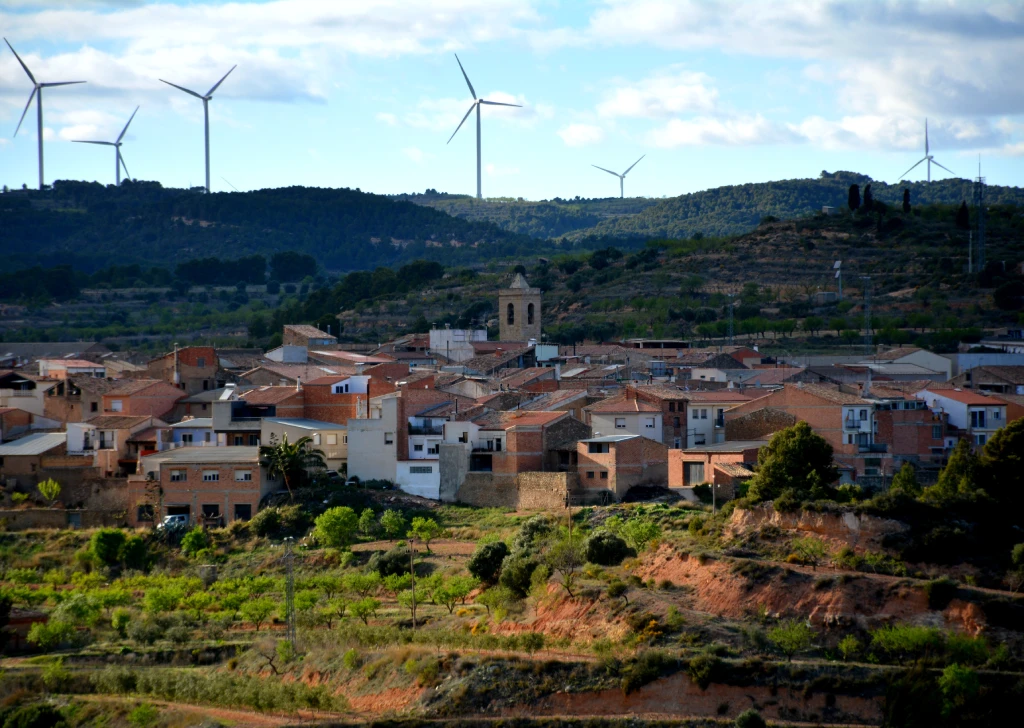
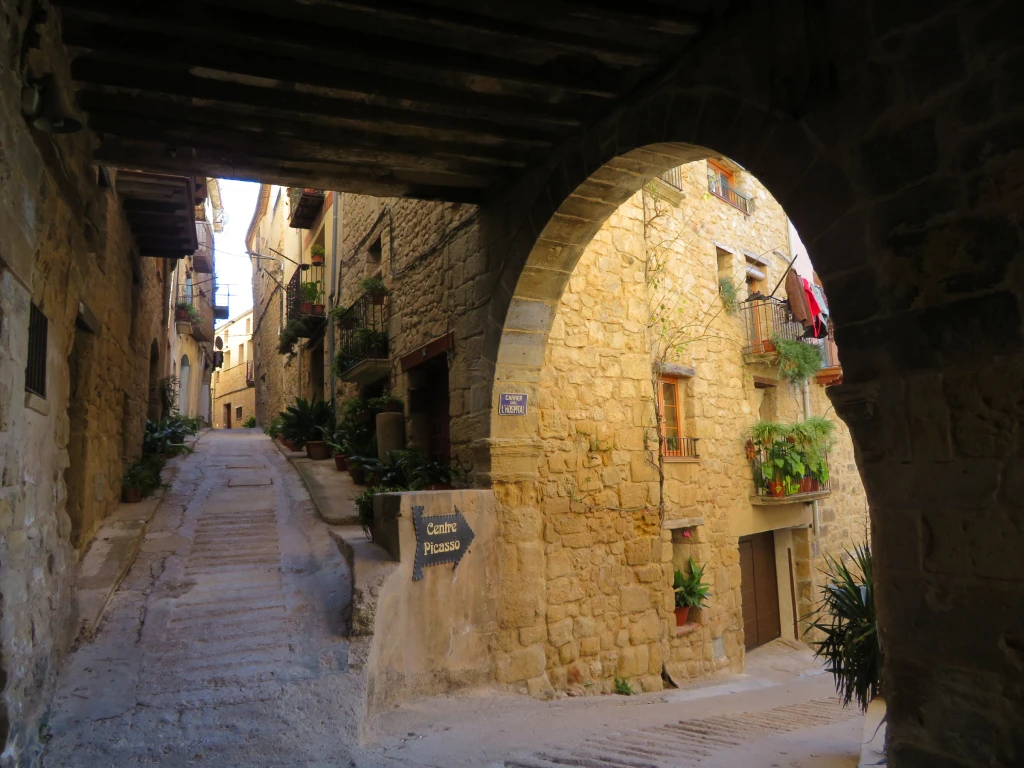
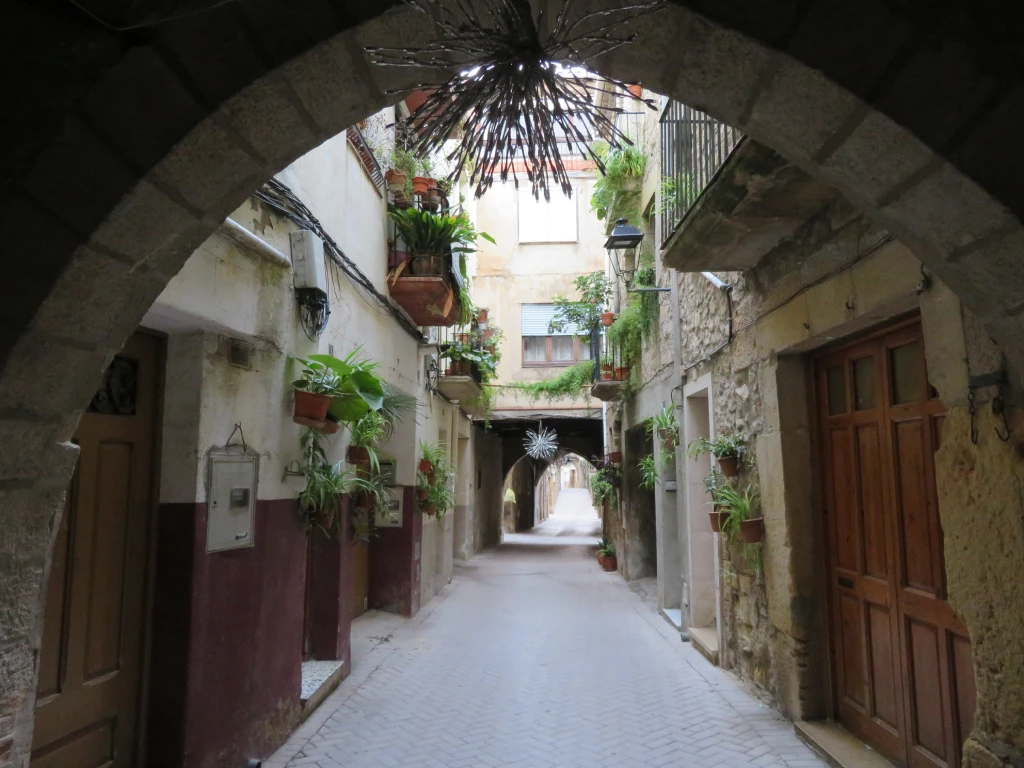
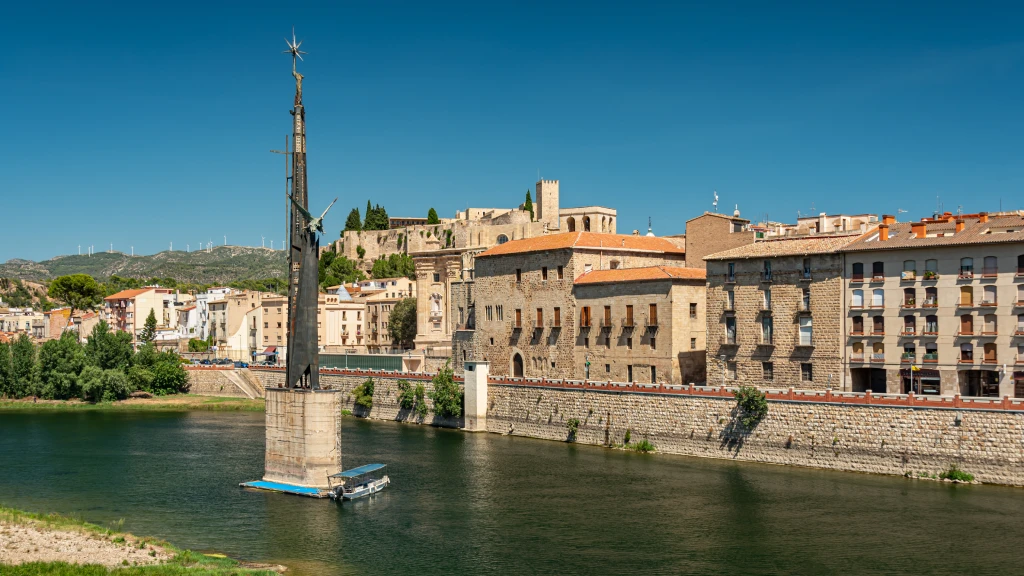
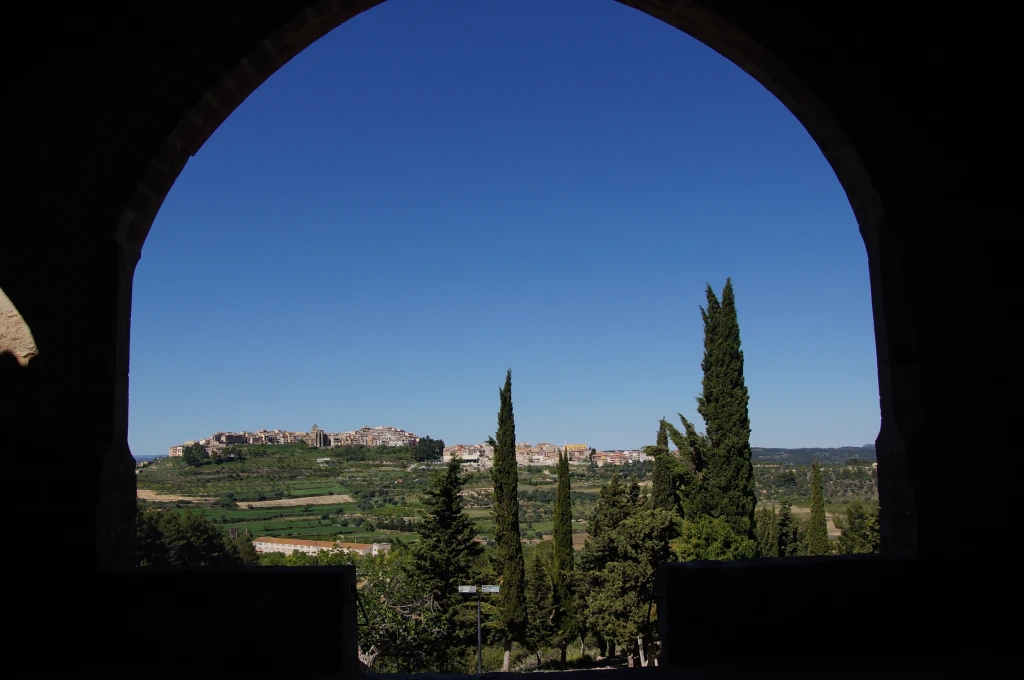
Terra Alta and Matarraña are two regions full of charming villages, surrounded by nature and history.
In Terra Alta, Horta de Sant Joan stands out, which inspired Picasso and preserves a fascinating medieval center, Arnes, with its historic complex declared a Cultural Asset of National Interest, and Gandesa, with its modernist architecture and the memory of the Battle of the Ebro.
In Matarraña, we find Calaceit, a village with a beautiful historic center and medieval influences, Queretes, with cobblestone streets and Iberian archaeological remains, and Vall-de-roures, with its imposing castle and the Matarraña River that runs through the village.
These villages offer a perfect combination of heritage, spectacular landscapes and local cuisine. An ideal place to get lost and discover rural beauty!
Parc Natural dels Ports
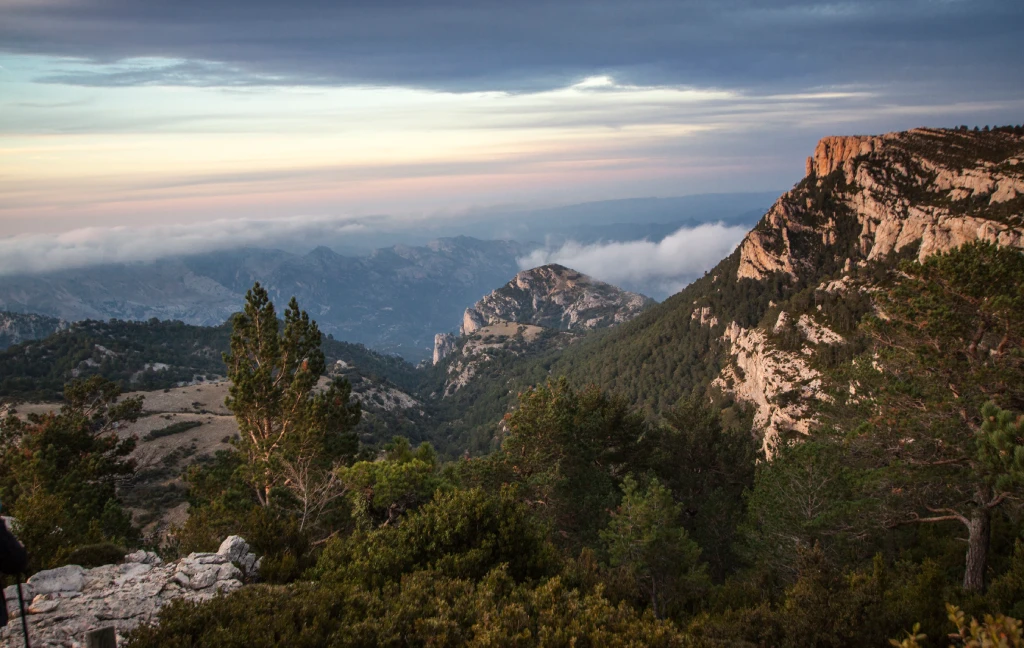
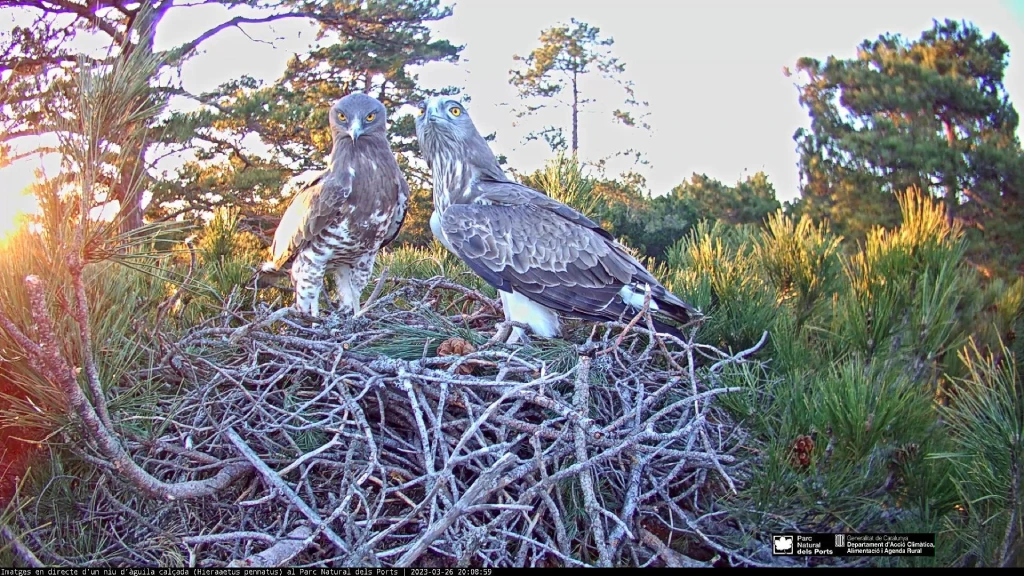
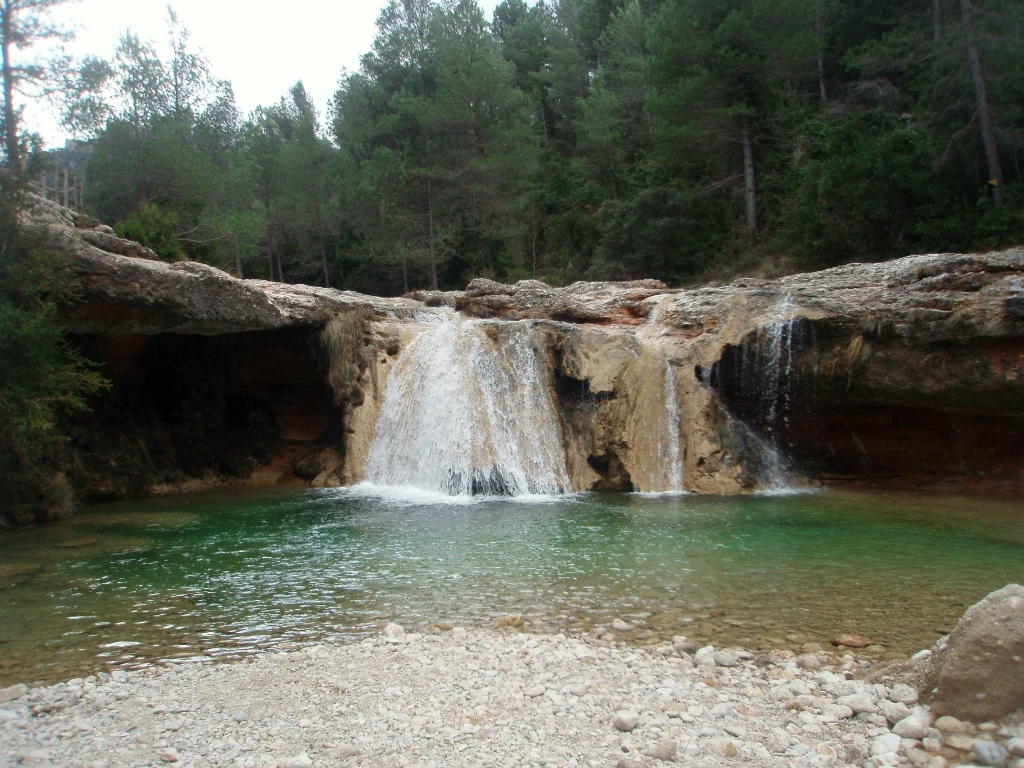
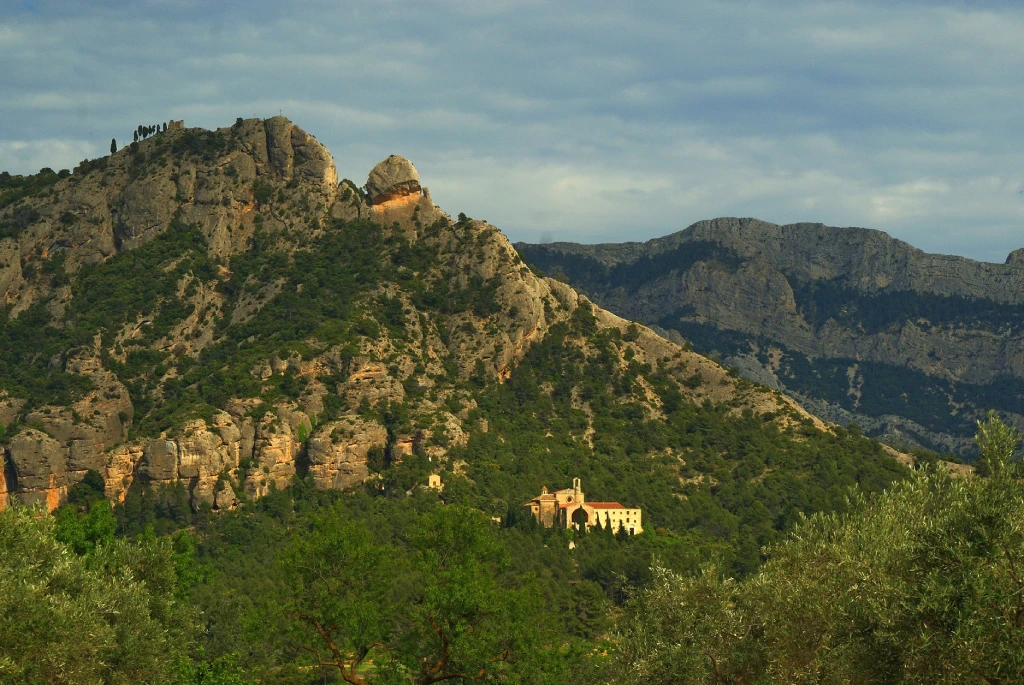
Parc Natural dels Ports
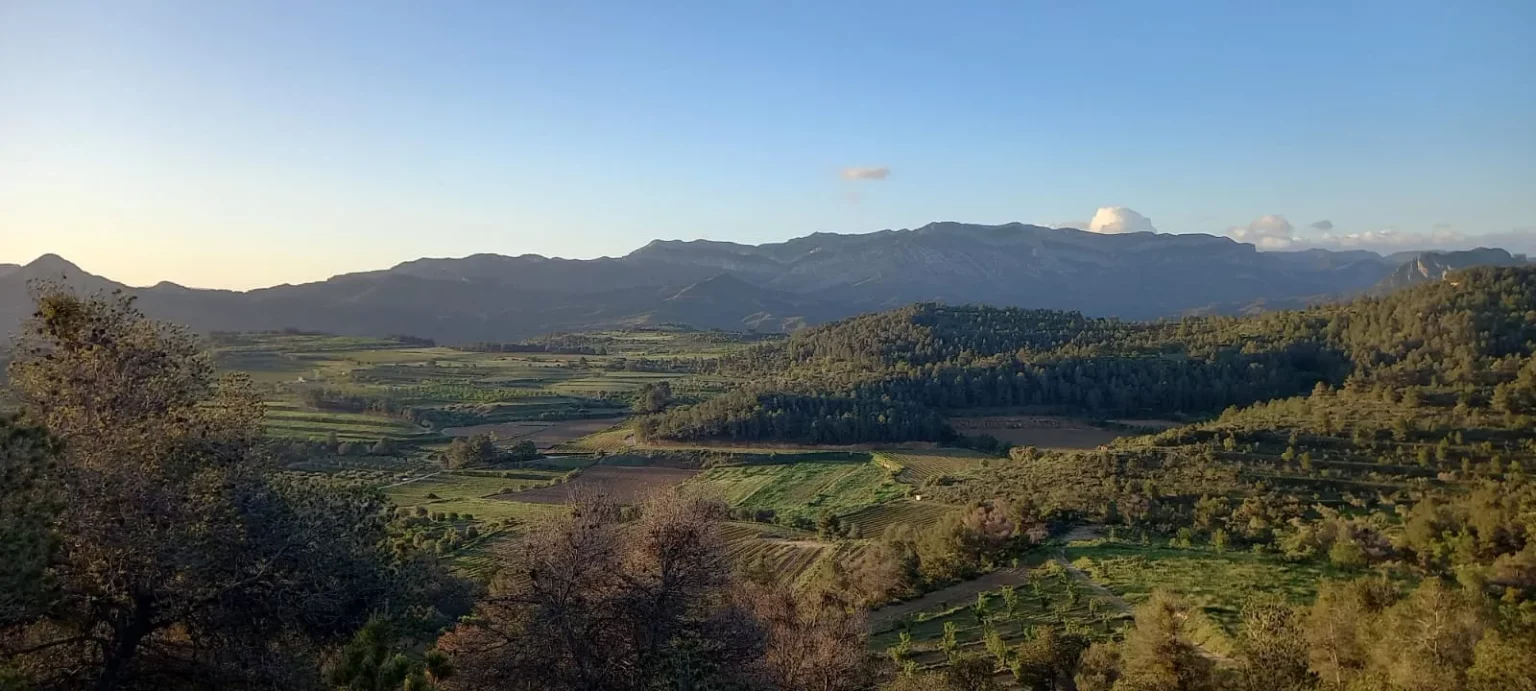
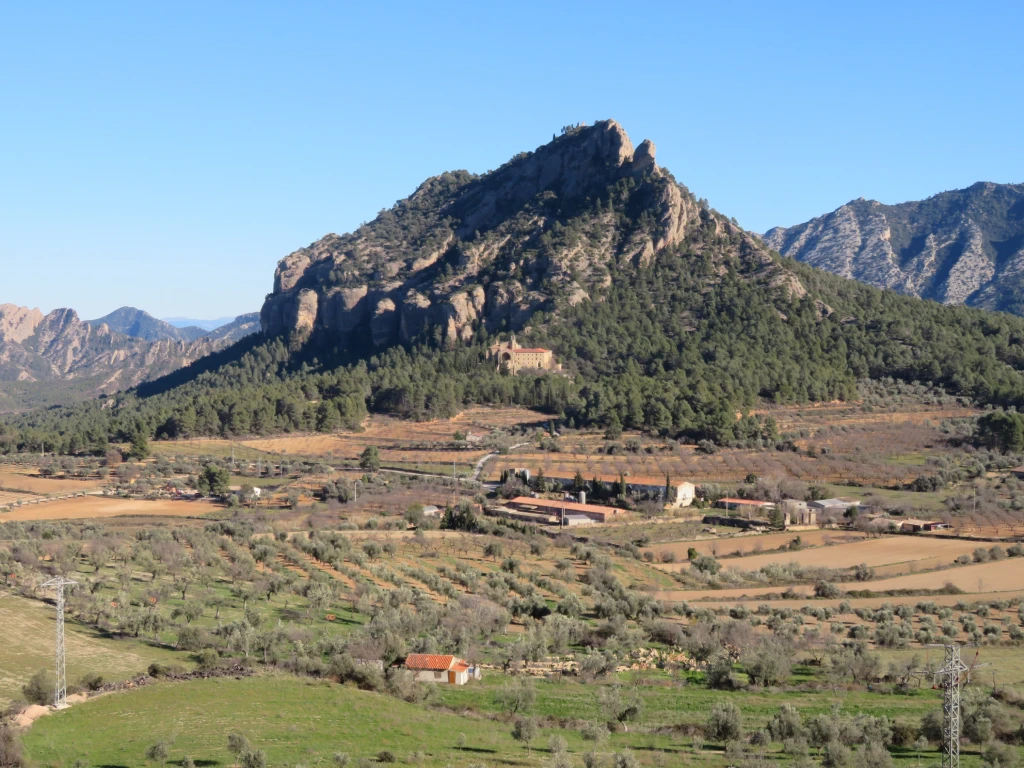
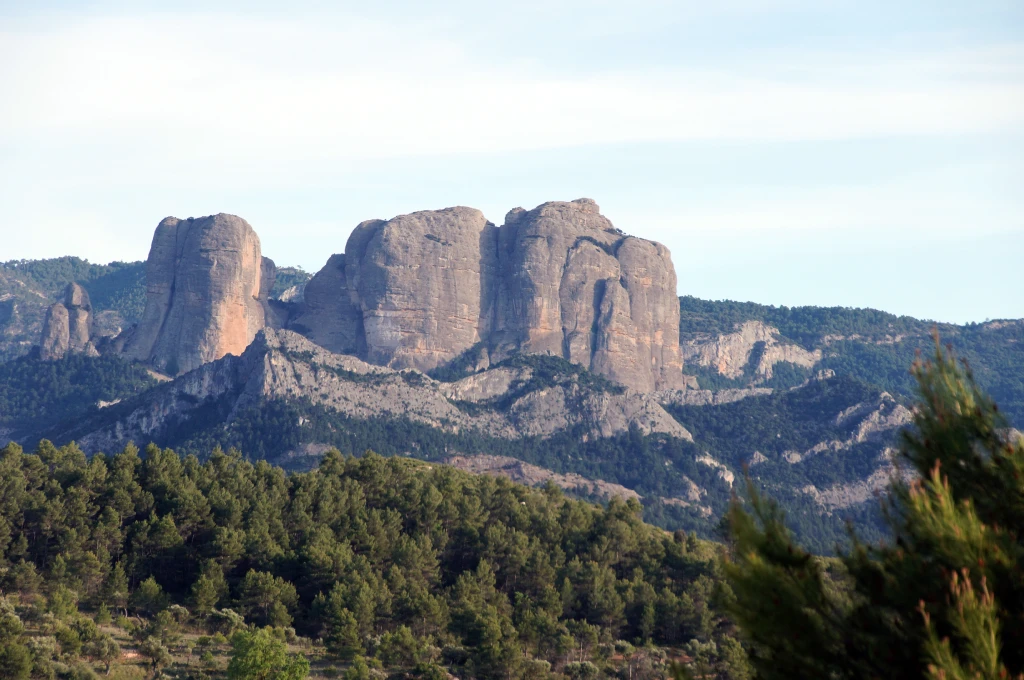
The Parc Natural dels Ports is a spectacular natural space located between Catalonia, Aragon and the Valencian Community. With a rugged landscape and unique biodiversity, it is a paradise for hiking and nature lovers.
Among the most outstanding routes are Els Estrets d’Arnes, a route between rock walls and crystal clear waters, the climb to Mont Caro, the highest point of the massif with impressive views, and the Estels del Sud trek, a multi-day route that runs through the most emblematic corners of the park.
This park is ideal for discovering wildlife, such as the Hispanic goat, and enjoying the tranquility of its forests and ravines. A perfect place to disconnect and explore!
Greenway
Greenway
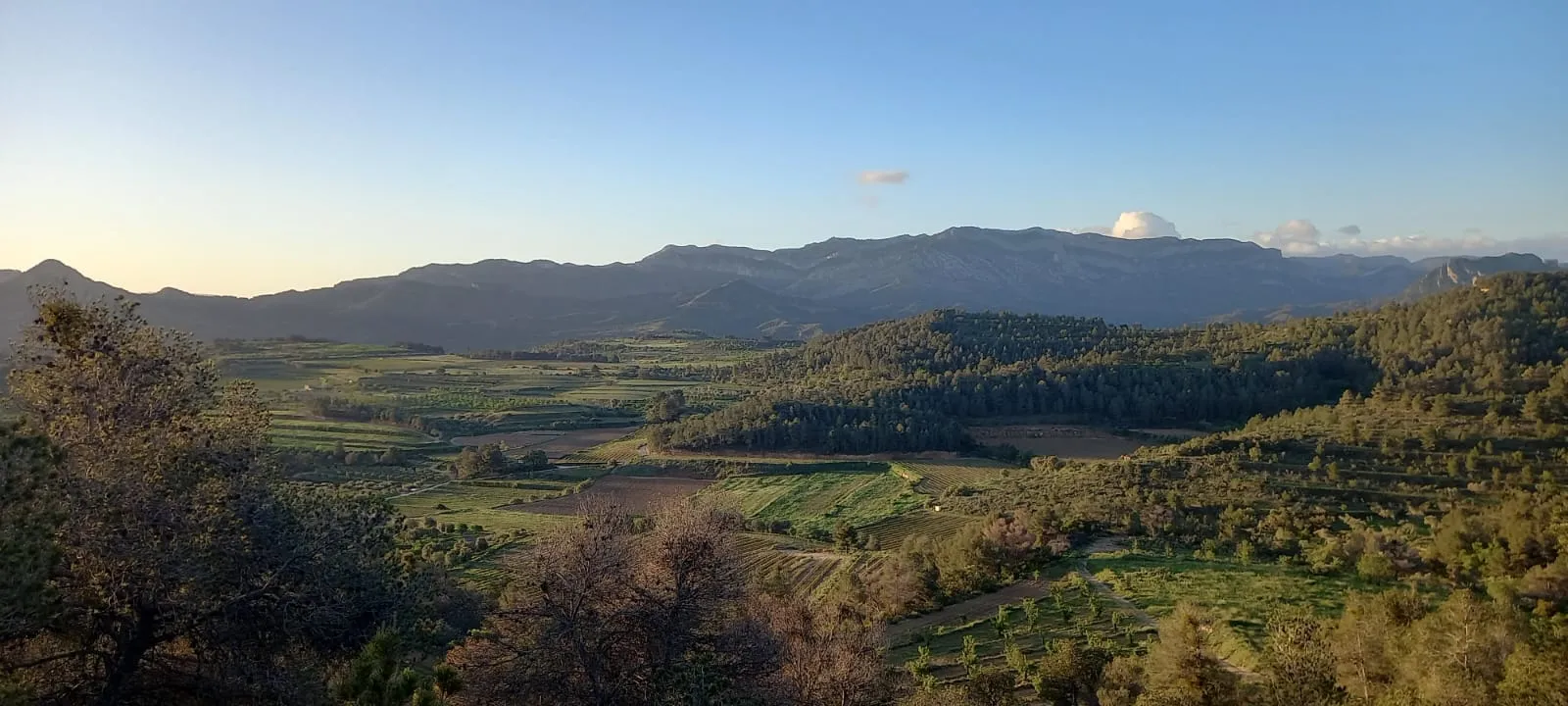
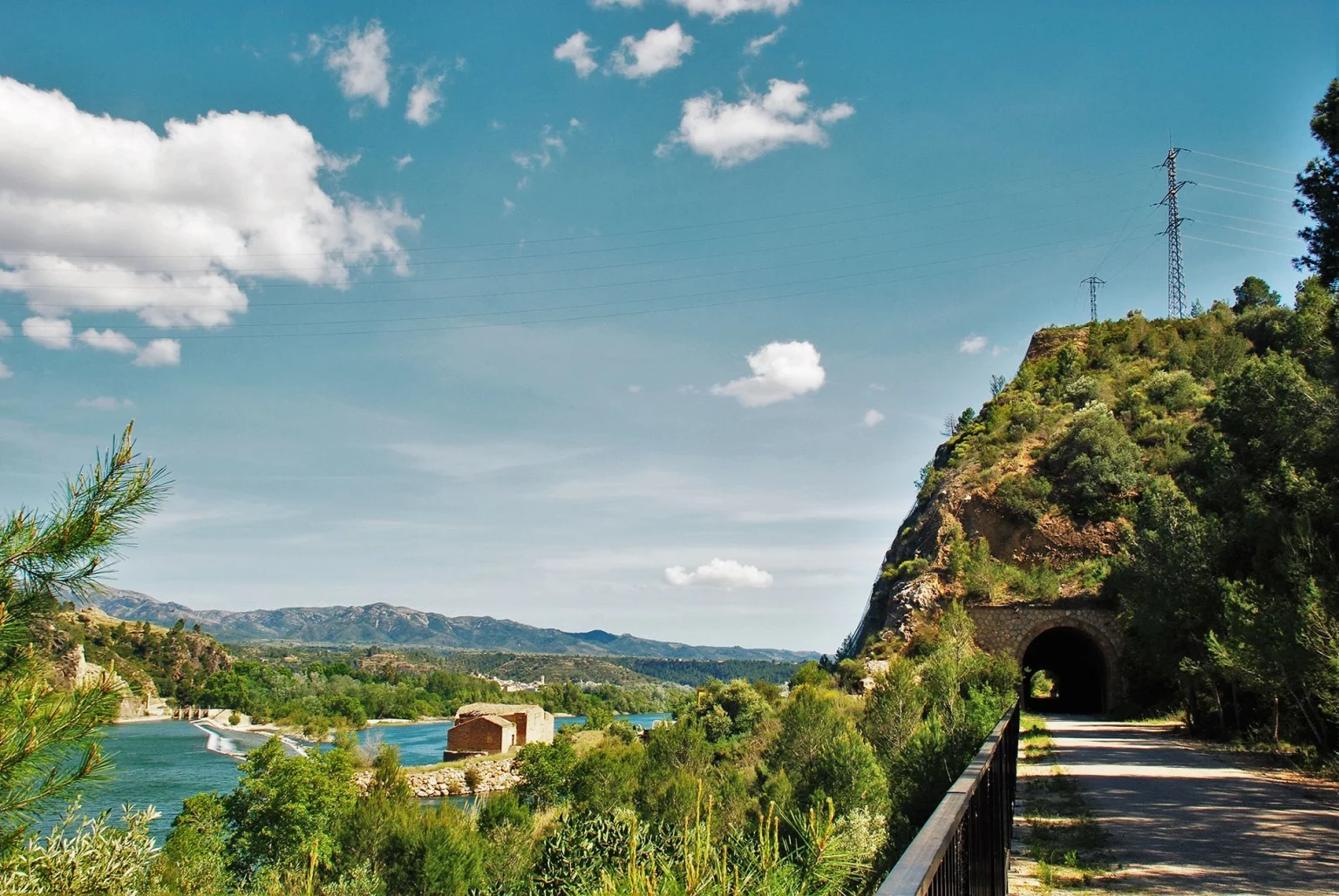
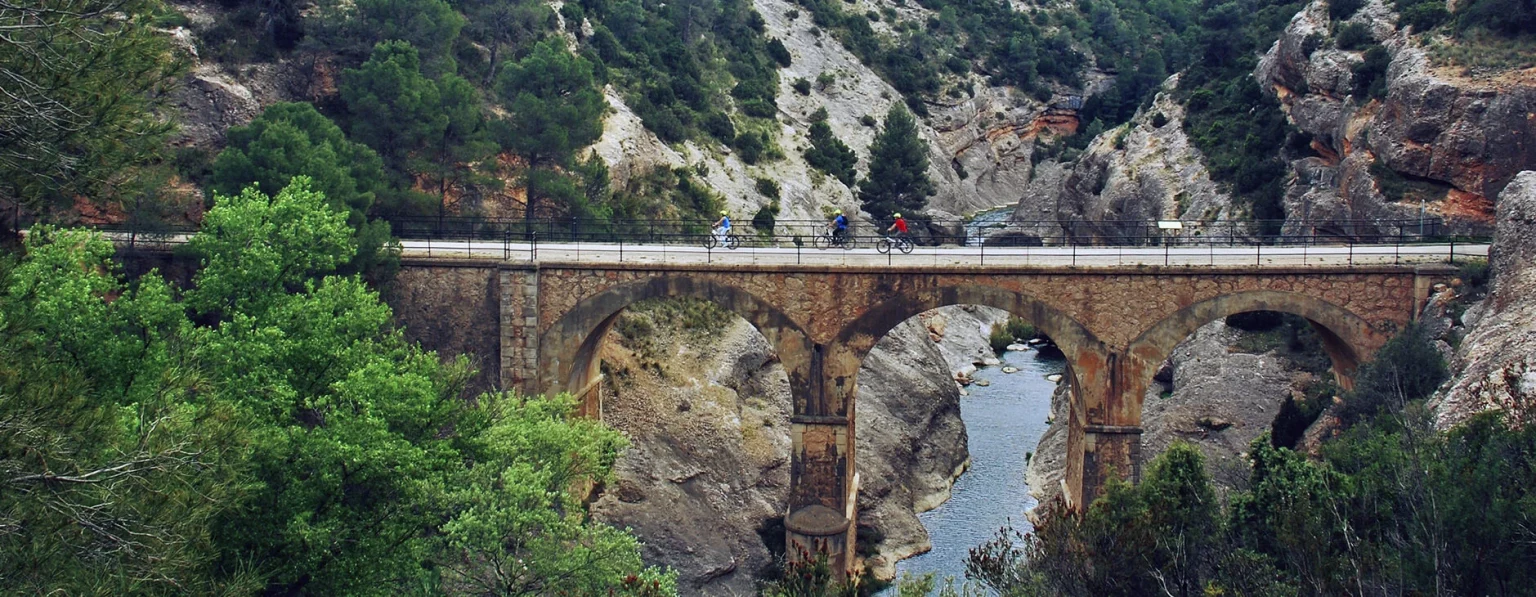
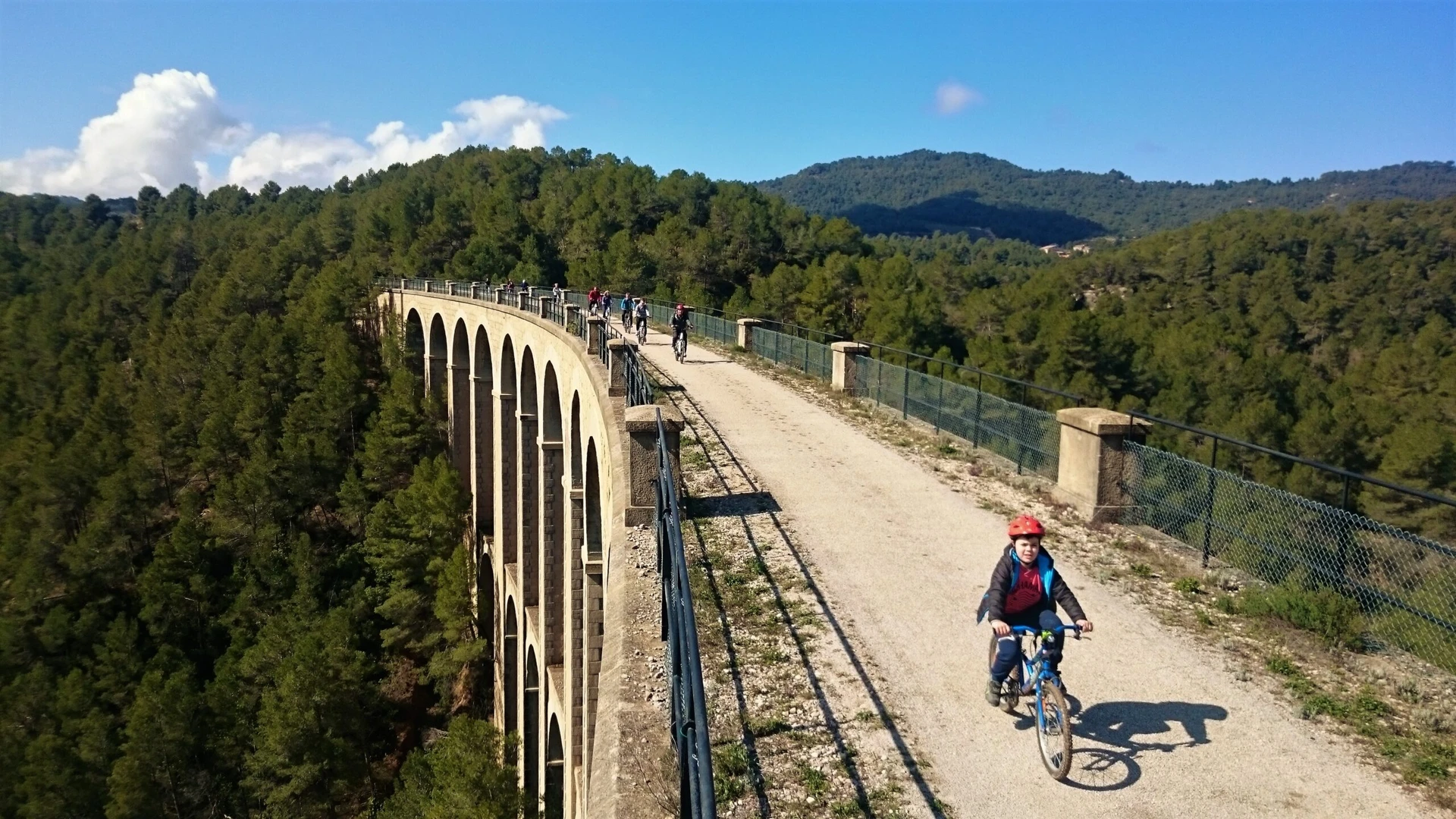
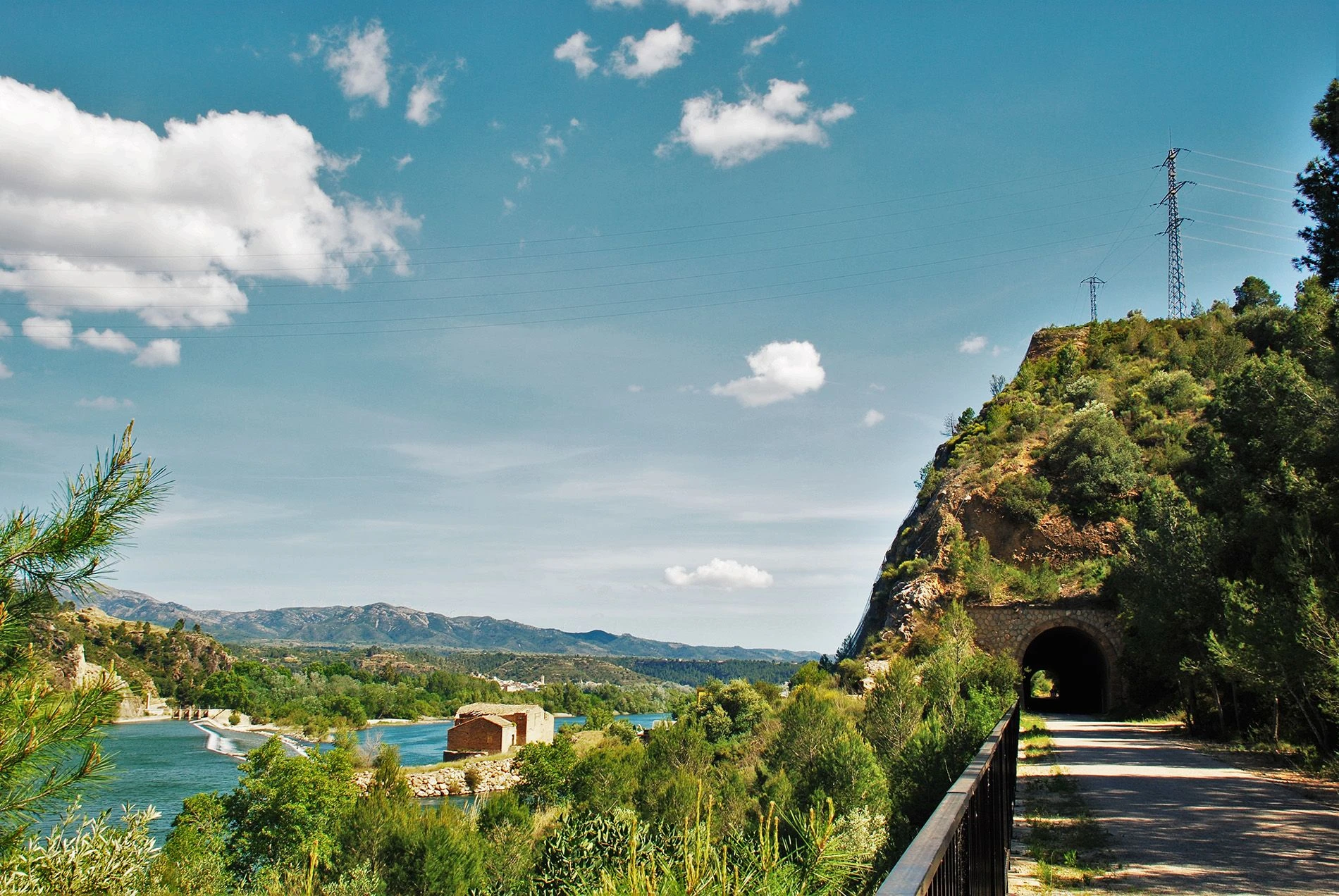
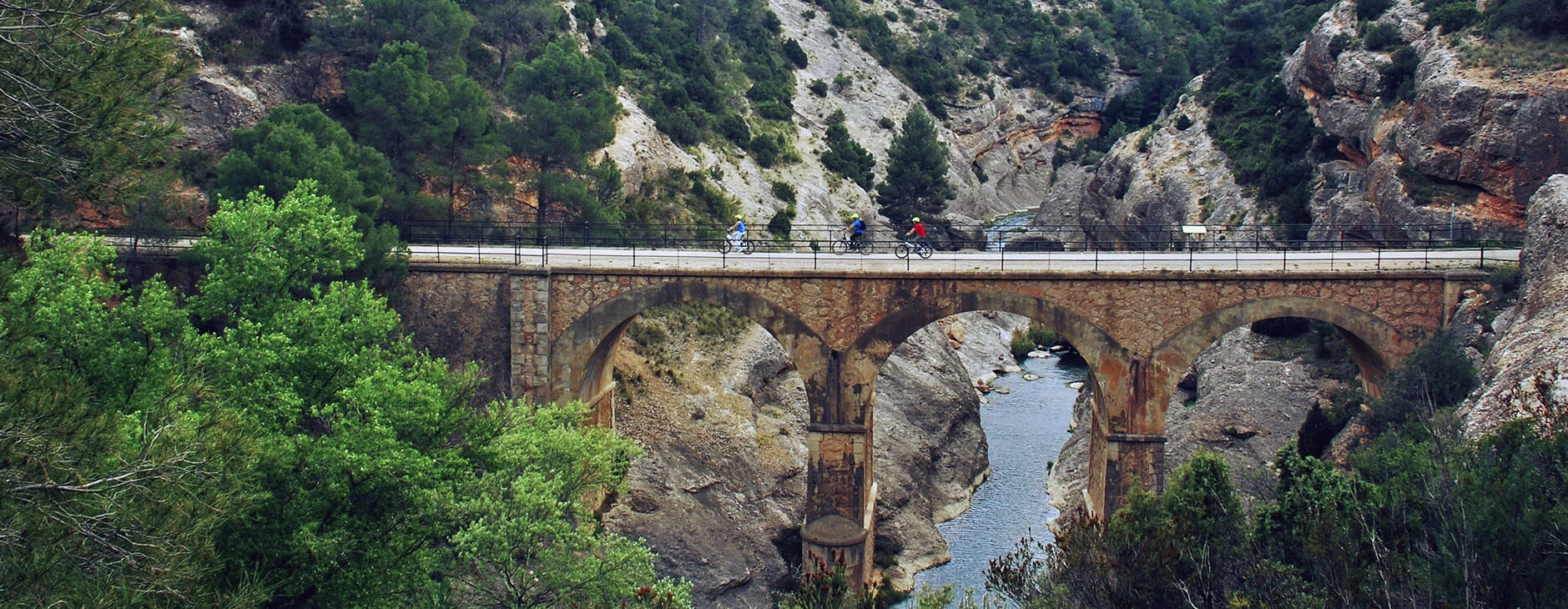
The Terra Alta Greenway is a spectacular route that follows the ancien railway between La Puebla de Híjar and Tortosa. With impressive landscapes, tunnels and viaducts, it crosses the Serra de Pàndols and the Els Ports Natural Park, offering a unique experience for hiking and cycling enthusiasts.
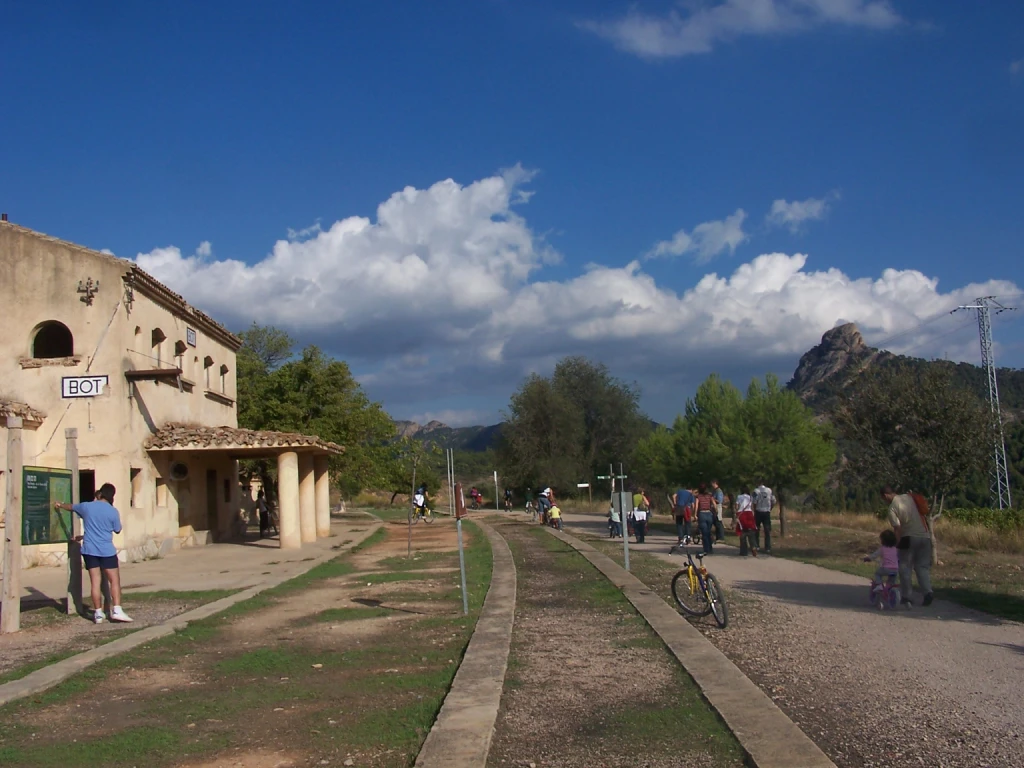
The Terra Alta Greenway runs 24 km between Arnes and Pinell de Brai stations and the Camping Terra Alta is located at the equidistant point of km 12 of this route. Most users of the Camping move along these 12 kilometers up or down the Greenway as it includes very varied landscapes in a short distance. It is fascinating the tranquility and the little effort with which this section of the Greenway brings us closer to the Canaletes River Valley and into the interior of some mountains, which geologically form part of the Ports.
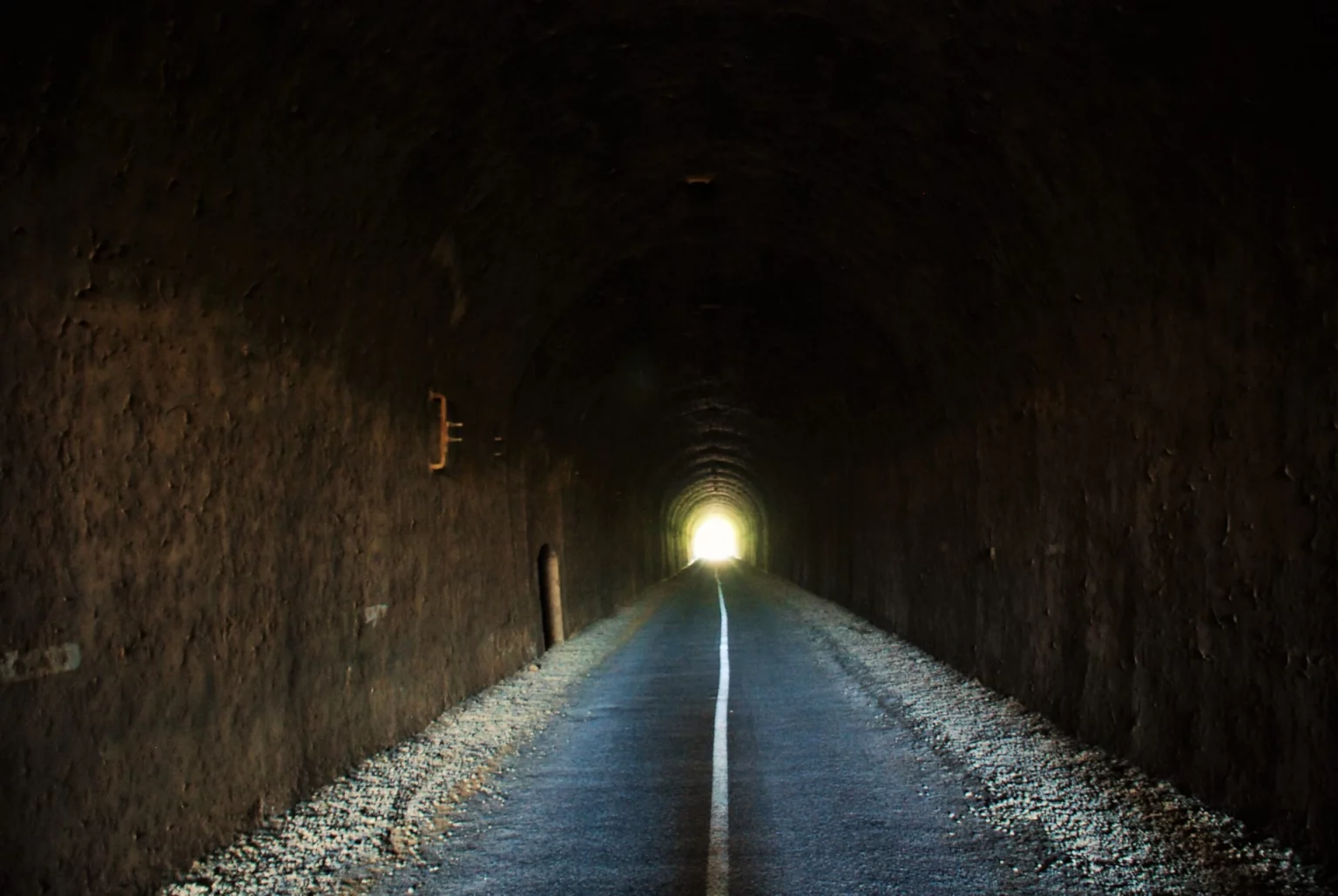
The design of this section makes it very simple and easygoing with lots of tunnels, known as the Via Verda of the tunnels. Some of the tunnels are not well lighted, you just have to take this into account and be prepared with flashlights to be seduced by the silence that exists inside the mountains.
For families with children, this section is ideal since you can make small excursions around the Camping with the tranquility that this way gives without motorized traffic. In addition, the proximity to Fontcalda Sanctuary makes it possible to make a short excursion that will allow us to take a bath and drinks something. The situation of the Camping is ideal since you do not have to travel by car to the starting point of the excursion.
History
History
Terra Alta is a region with a rich and fascinating history. Located in the province of Tarragona, Catalonia, it has witnessed several historical events that have marked its identity.
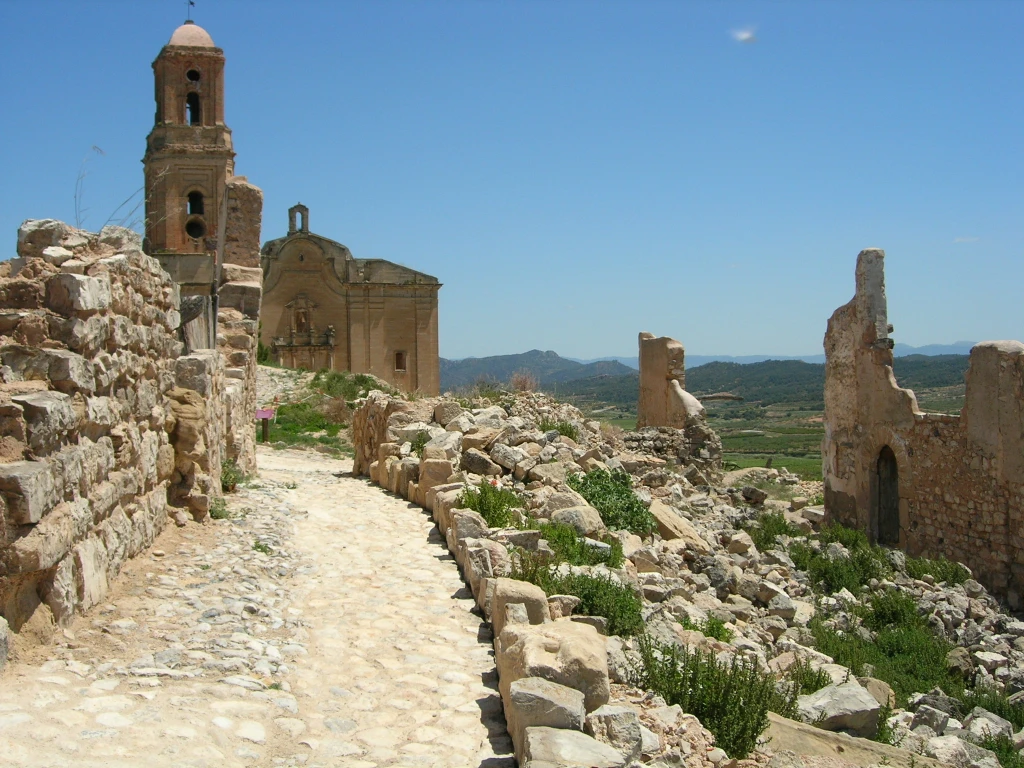
One of the most outstanding episodes is the Battle of the Ebro, which took place during the Spanish Civil War. This battle was one of the most decisive of the conflict and left a deep mark on the region. Today, you can visit several memory spaces that recall this period.
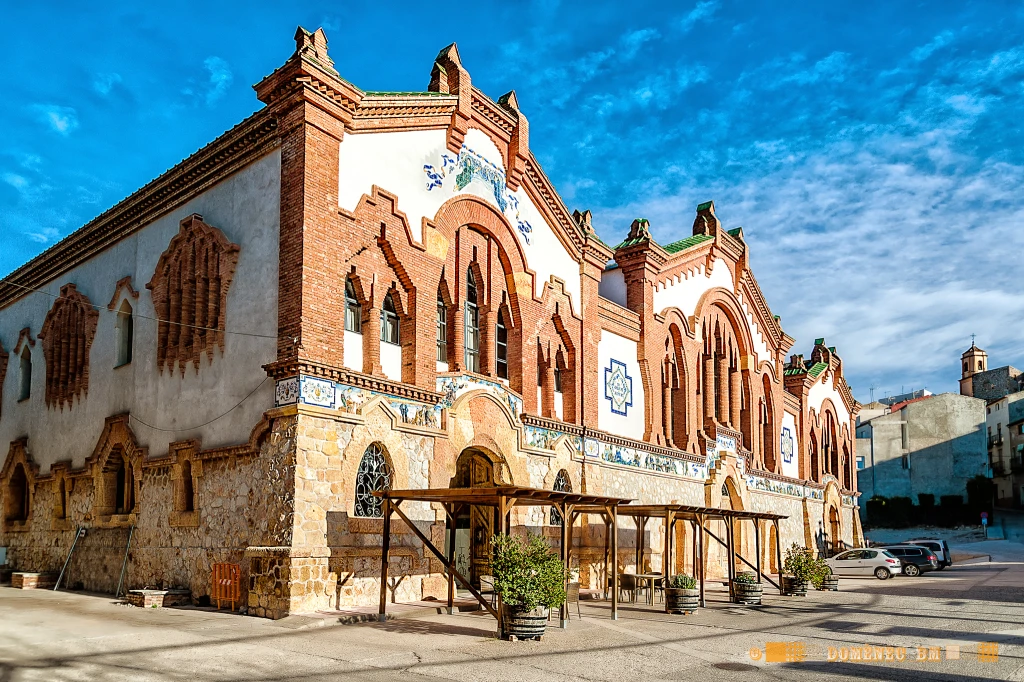
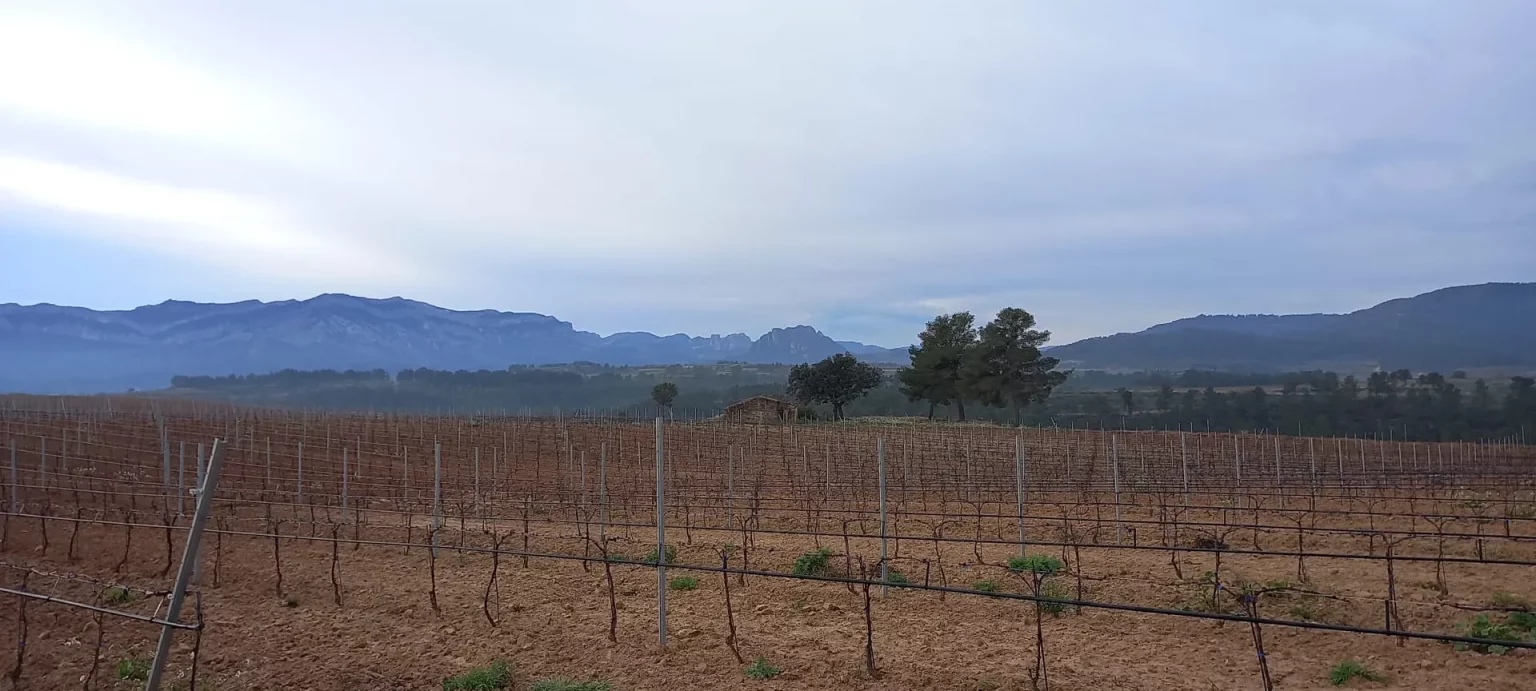
In addition, Terra Alta is known for its winemaking tradition, with the Terra Alta designation of origin, which has given rise to emblematic modernist wineries, such as the Gandesa Wine Cathedral and the Pinell de Brai. These buildings, designed by the architect Cèsar Martinell, are a testament to the importance of viticulture in the region.
Geographically, Terra Alta is characterized by its mountain ranges and landscapes, which have influenced its history and development. The region has maintained its own identity, with towns that preserve their architectural and cultural heritage.